Hinduism: The Eternal Path of Dharma
Hinduism: The Eternal Path of Dharma
Hinduism, also known as Sanatana Dharma, is one of the oldest living spiritual traditions in the world. The words Sanatana Dharma mean “the eternal way” or “the eternal truth.” Hinduism is not only a religion; it is a complete way of life that teaches truth, devotion, duty, compassion, self-discipline, and respect for all living beings.
Unlike many religions, Hinduism does not have one single founder. It grew over thousands of years through the wisdom of sages, saints, scriptures, spiritual teachers, and devotional traditions. Its roots are in ancient India, where people searched deeply for the meaning of life, the nature of the soul, and the connection between human beings and the Divine.
The Foundation of Hinduism
At the heart of Hinduism is the belief that life has a spiritual purpose. Human beings are not only the body or mind. Hinduism teaches that each person has an eternal soul, called the Atman. The soul is spiritual, pure, and connected to the Supreme Reality.
Different Hindu traditions describe the Supreme in different ways. Some worship Lord Krishna, Lord Rama, Lord Shiva, Goddess Durga, Lord Ganesha, or other forms of the Divine. Some understand the Supreme as Brahman, the eternal spiritual reality behind all creation. Hinduism allows many paths, but the goal is the same: to move closer to God, truth, and liberation.
Dharma: Living with Righteousness
One of the most important ideas in Hinduism is dharma. Dharma means righteous duty, moral responsibility, and the correct way to live. It teaches us to be truthful, respectful, kind, disciplined, and responsible.
Dharma guides people in family life, work, society, education, worship, and personal behavior. A person who follows dharma tries to live with honesty, compassion, humility, and service.
Karma: The Law of Action
Hinduism teaches the law of karma, which means that every action has a result. Good actions bring positive results, while harmful actions bring suffering. Karma reminds us that our choices matter.
This teaching encourages people to act with responsibility, kindness, and awareness. It also teaches patience, because life is shaped by many actions from the past and present.
Reincarnation and Moksha
Hinduism teaches that the soul passes through many births and deaths. This cycle is called samsara. The soul continues this journey until it reaches spiritual freedom.
The final goal is moksha, or liberation from the cycle of birth and death. Moksha means becoming free from ignorance, ego, material attachment, and suffering. It is the state of union with God or realization of the soul’s true spiritual nature.
Hindu Scriptures
Hinduism has many sacred scriptures. The oldest are the Vedas, which contain prayers, hymns, rituals, and spiritual knowledge. The Upanishads explain deep truths about the soul, God, meditation, and liberation.
The Bhagavad Gita is one of the most loved Hindu scriptures. It is a conversation between Lord Krishna and Arjuna. In the Gita, Krishna teaches about duty, devotion, wisdom, self-control, karma, and surrender to God.
Other important scriptures include the Ramayana, the Mahabharata, the Puranas, and the Srimad Bhagavatam. These texts teach spiritual wisdom through stories, history, devotion, and moral lessons.
Bhakti: The Path of Devotion
One of the most beautiful parts of Hinduism is bhakti, or loving devotion to God. In bhakti, devotees chant God’s names, sing bhajans and kirtans, offer prayers, visit temples, serve others, and remember the Divine with love.
In the Hare Krishna tradition, devotees chant the Maha Mantra:
Hare Krishna Hare Krishna
Krishna Krishna Hare Hare
Hare Rama Hare Rama
Rama Rama Hare Hare
This chanting helps purify the heart, calm the mind, and connect the soul with Lord Krishna.
The Role of Temples
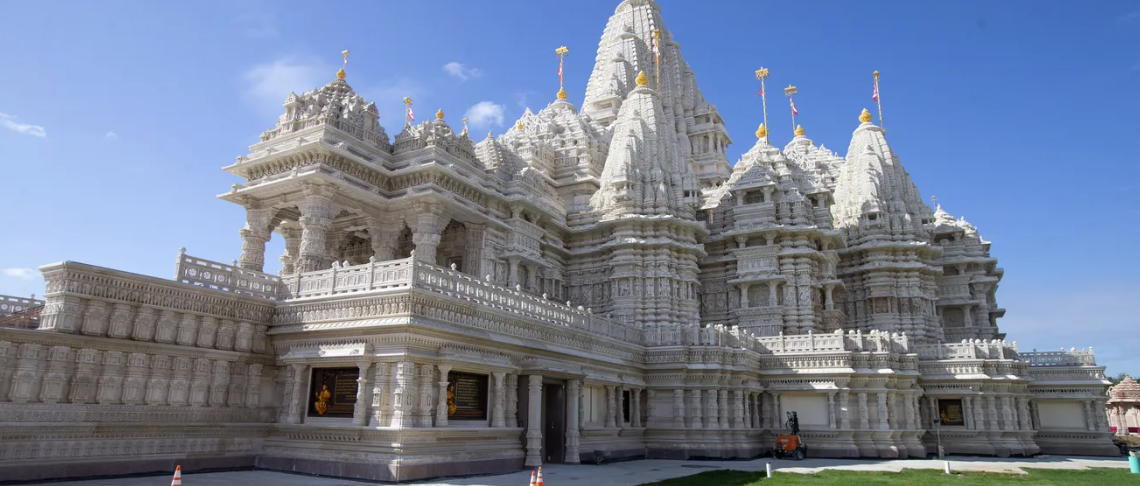
Hindu temples are sacred places where devotees gather to worship, pray, chant, learn, serve, and celebrate festivals. A temple is not only a building; it is a spiritual home for the community.
In a temple, people offer flowers, food, lamps, prayers, and devotion to the deity. They receive blessings, listen to spiritual teachings, take prasadam, and connect with other devotees.
Temples also help the next generation learn Hindu culture, values, music, dance, festivals, and scriptures.
Hindu Festivals
Hinduism is rich with festivals that bring joy and devotion into life. Festivals such as Diwali, Holi, Janmashtami, Rama Navami, Navaratri, Ganesh Chaturthi, Mahashivaratri, Govardhan Puja, and Radhashtami teach important spiritual lessons.
These festivals celebrate light over darkness, good over evil, devotion over pride, and God’s protection over His devotees. They bring families and communities together through prayer, music, food, dance, charity, and celebration.
Respect for All Life
Hinduism teaches respect for all living beings. It reminds us that the same Divine presence exists in every soul. This is why compassion, non-violence, vegetarian food, cow protection, and service to others are important in many Hindu traditions.
A true spiritual life is not only about worship inside the temple. It is also about how we treat people, animals, nature, and the world around us.
Hinduism in the Modern World
Today, Hinduism is practiced by millions of people around the world. Even far from India, Hindu families continue to preserve their culture through temples, festivals, chanting, yoga, meditation, scripture study, and community service.
In a busy modern world filled with stress, technology, competition, and confusion, Hinduism offers peace, purpose, and spiritual direction. It teaches us to live simply, think deeply, serve others, and remember God.
Conclusion
Hinduism is an ancient and living tradition that guides people toward truth, devotion, wisdom, and liberation. It teaches that life is sacred, the soul is eternal, and God can be reached through sincere love, service, and spiritual practice.
Whether through prayer, meditation, chanting, temple worship, seva, or study of scriptures, Hinduism helps people live with meaning and inner peace.
At its heart, Hinduism teaches a simple and powerful message:
Live with dharma.
Act with compassion.
Serve with humility.
Remember God.
And see the Divine in all.


